


A logic of cure (to treat) taken to the extreme, at the expense of care (to take care of).
- The overprescription of laboratory and radiological tests, an estimated 30% of which are believed to be unjustified; ;
Technological evolution, which has enabled massive progress for decades, has had a collateral effect on the clinical approach: the steps of patient history and physical examination, which were the first two paramount steps of the clinical approach, have receded in favor of an increase in requests for biological and radiological tests. These tests are becoming automatic, without a precise measurement of the burden they represent for colleagues and patients, nor even their economic and ecological cost.
Furthermore, this overconsumption generates sometimes spurious information, which can create incidentalomas; these incidentally discovered anomalies can lead to the prescription of other unnecessary investigations or treatments. Patient care is then compromised to the patient's detriment. The effects are the same with overprescribing medications and underestimating iatrogenesis.
- Copy-paste syndrome ;
It is scientifically documented: to go fast, to defend against the mental constraint of the digital framework in which it is difficult to synthesize, to draw diagrams, and to prioritize easily, healthcare professionals duplicate pre-made observations, reuse observations made in the emergency room in a particular and necessarily suboptimal context, and copy reports without re-examining them. In hospitals and clinics, professional software has become ubiquitous and is useful, but it imposes a logic of filling in fields and compliance. Clinical thinking becomes diluted in it, and with it, the ability to form an overall vision that allows for prioritization and connection.
These shortcomings of ultra-modern medicine are compounded by another pitfall, the result of the current context: while the realm of possibilities offered by medical advances seems infinite, there are no longer sufficient human or material resources to explore it. This imbalance between medical potential and system capacity is questioning and destabilizing. An all-powerful but poorly distributed medicine, disconnected from reality, runs the risk of becoming a dehumanized medicine that no longer addresses health challenges.
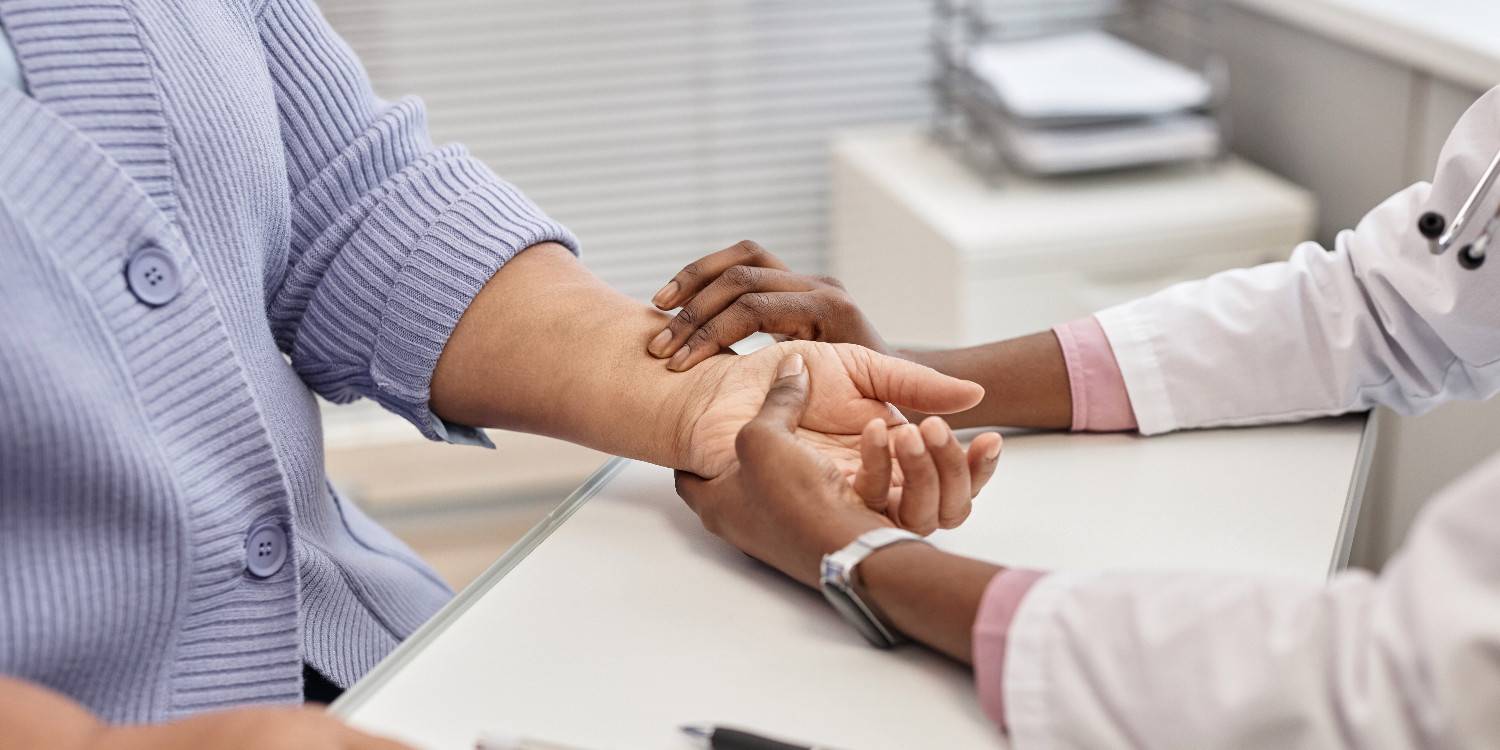
The real challenge today, therefore, is not to innovate ever more, but to reconcile the technological promise with the fundamentals of care: listening, availability, connection. An essential part of the caregiver-patient relationship will always rely on simple gestures, thoughtful words, attentive presence, and sincere empathy. Care is a composite art, where high technology coexists – or should coexist – with the human element. However, in constant urgency, this humanistic dimension of care tends to erode and to «push for consumption» rather than refocusing on the essential; a guarantee of sobriety.