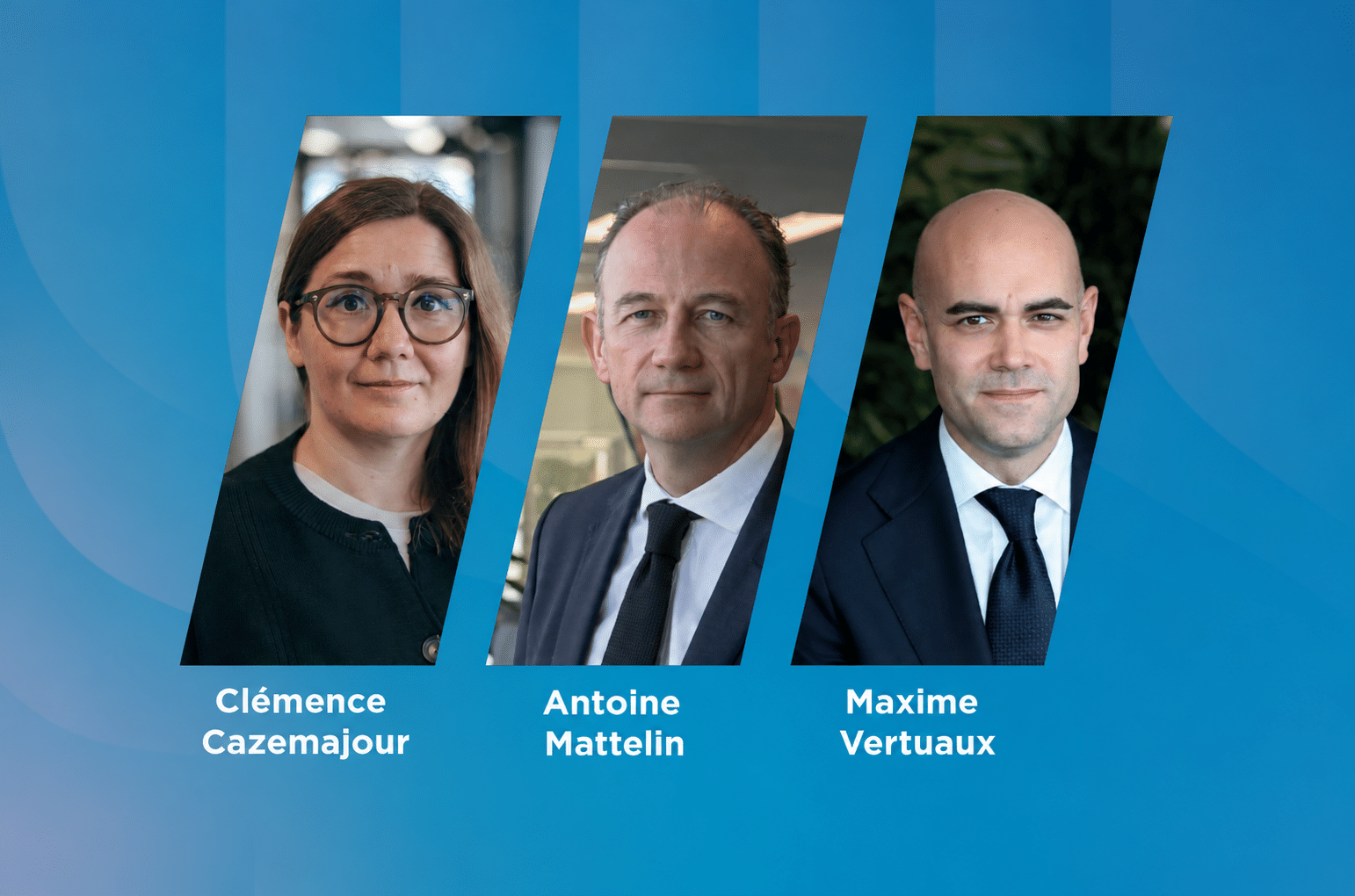




Eurogroup Consulting supports the new study by theChoiseul Institute and theB2V Memory Observatory entitled "La mémoire des entreprises, une ressource stratégique au service de la performance et de la transformation des organisations". This study explores all aspects of corporate memory, and proposes actions that can be rapidly implemented, based on two priorities: raising awareness among decision-makers of its impact on performance and transmission; and structuring its management through innovative methods and processes. Too often confined to a historical or patrimonial role, corporate memory is nevertheless a powerful strategic lever. A veritable "memory capital", it acts as a tool for information, decision-making and orientation. It also represents a lever for performance and innovation - capable of boosting the attractiveness of companies, retaining talent and nurturing intergenerational links within organizations. Despite its potential, it remains under-exploited in managerial and decision-making strategies.
Corporate memory can be defined as all the actions (individual or collective) and assets put in place to perpetuate, transmit and enhance knowledge, know-how and interpersonal skills, or their overall history. It covers two main aspects, both tangible (a company's historic buildings, for example) and intangible (from the precision of a gesture to experiences lived and passed on orally between employees).
At the same time, corporate memory is of strategic interest to managers and shareholders. As a driving force and compass for operational performance, it offers resilience in times of crisis and for the future. As a loyalty-building tool, it can also be used to attract and enhance the value of employees and customers in a marketing context. As a result, it is now necessary to quantify what makes a company's "memory capital" a non-financial asset in its own right.
"In a context of accelerating crises and societal transitions, we have a duty to keep alive the history of the company, the memory of its practices and the memory of its evolution over time. This is the only way we can succeed in bringing about major organizational transformations and ensuring a sustainable future.
Obstacles to be overcome to fully exploit corporate memory
Despite its importance, corporate memory is all too often undervalued. Few managers adopt a strategic approach, due to a lack of awareness or appropriate training. The reluctance to share or open up access to memory data also hampers its exploitation, for fear of disclosure or instrumentalization. Finally, the absence of tools and indicators to measure its strategic impact limits its integration into managerial practices. These obstacles demonstrate the urgent need to transform corporate memory into a fully mobilized and structured resource.